
VeloTactics Logistics offers seamless shipping from Africa to the USA with our trusted logistics services. Specializing in both air and ocean freight, we ensure efficient and reliable transport tailored to your unique needs. With our extensive network, we guarantee timely deliveries to all destinations across the USA, whether for personal packages or commercial shipments. From precise documentation to smooth customs clearance, we handle every detail to ensure your shipment arrives on time, every time.

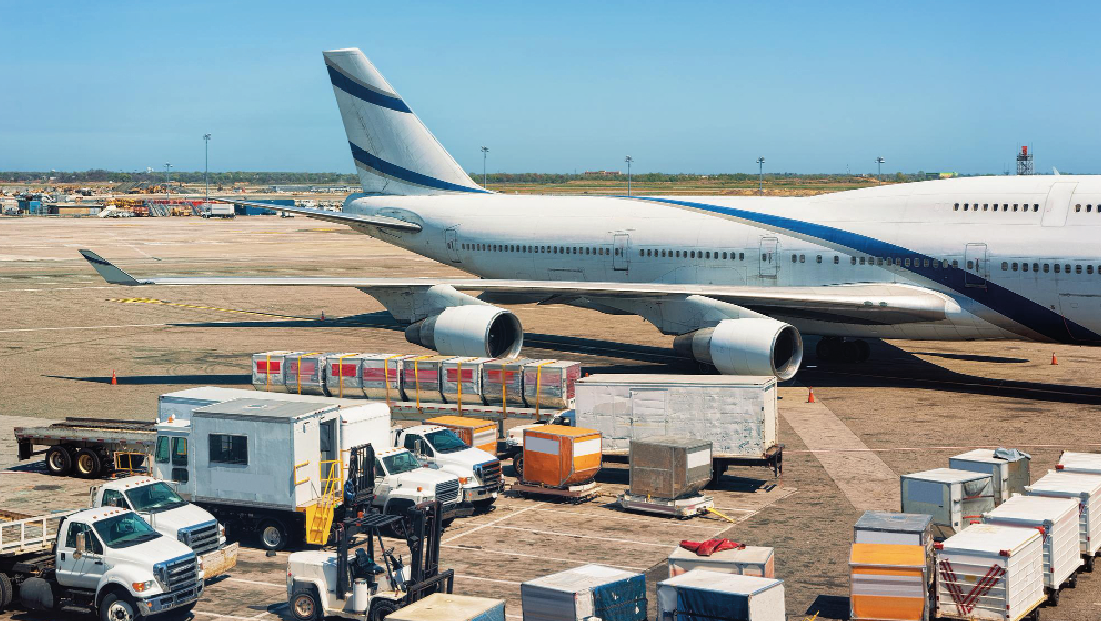

We deliver secure, fast, and affordable logistics solutions for businesses shipping cargo from all major African hubs to the United States, with end-to-end support and hassle-free customs clearance.
Stable sailings & air freight from Africa to the US with fixed schedules.
Optimized shipping lanes to reduce lead times from Africa to USA.
Professional customs support to avoid delays and ensure smooth entry.
Door pickup from most African countries including sea & air ports.
No hidden fees, with flexible pricing for LCL, FCL, and air cargo.
24/7 online tracking so you always know where your cargo is.

Transit time depends on the shipping method and origin country. Ocean freight generally takes 25–45 days, while air freight usually takes 3–10 days. Customs clearance and port congestion may also affect delivery schedules.
Sea freight is normally the most cost-effective option for large or heavy shipments. For smaller cargo, LCL shipping can reduce transportation costs by allowing multiple shipments to share container space.
Popular export ports include Durban, Mombasa, Lagos, Alexandria, Cape Town, and Tema. The best port depends on cargo type, shipping route, and destination in the United States.
Most shipments require a commercial invoice, packing list, bill of lading or air waybill, and customs-related documents. Certain products may also need certificates or import permits.
Many freight forwarders offer customs clearance support as part of their logistics solutions. However, import duties, taxes, and government inspection fees are usually charged separately.
Businesses commonly ship textiles, agricultural products, machinery, electronics, furniture, auto parts, and general commercial cargo. Dangerous goods may require special approval and packaging.
Planning shipments early, choosing the right freight mode, consolidating cargo, and optimizing packaging can help lower transportation expenses and avoid unnecessary surcharges.
Cargo insurance is strongly recommended, especially for high-value or fragile goods. It helps protect shipments against risks such as damage, theft, delays, or loss during transit.
A professional freight forwarder can manage logistics planning, carrier booking, customs procedures, and delivery coordination, helping businesses save time and improve shipping efficiency.